
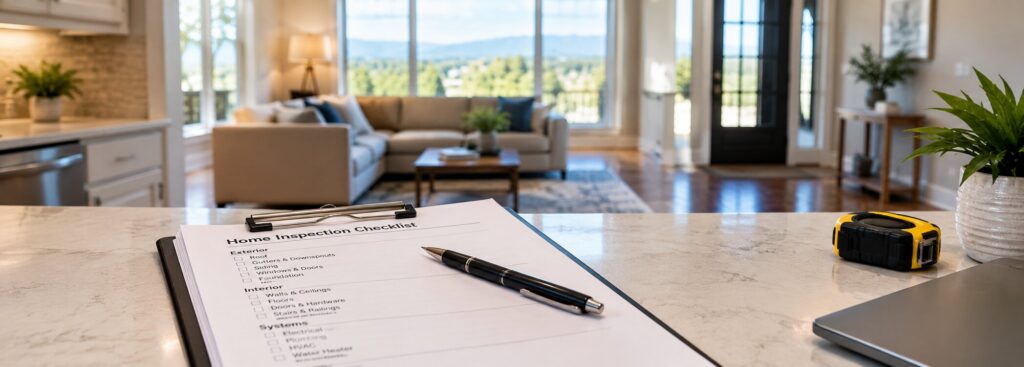
Buying a home is an important financial decision, and a property that looks beautiful during a showing may have issues that are not immediately visible. A professional home inspection helps buyers better understand a home’s condition before moving forward with a purchase. It can identify visible defects, maintenance concerns, and potential problems that may require further evaluation.
If you are buying a home in Johnson City, Kingsport, Bristol, Jonesborough, or elsewhere in Northeast Tennessee, understanding the inspection process can help you prepare for the next steps. Knowing what an inspector evaluates, what falls outside a standard inspection, and how to respond to the findings can make the experience less overwhelming.
This guide explains what buyers should expect from a Tennessee home inspection, how to review the report, which additional evaluations may be appropriate, and what to consider before closing. The goal is not to find a perfect house. It is to understand the property well enough to make an informed decision.
What Is a Home Inspection?
A home inspection is a professional evaluation of a property’s readily accessible and observable components. In Tennessee, licensed home inspectors follow state requirements governing their work. The inspection generally focuses on the condition of major systems and structural components, with findings documented in a written report.
An inspection is different from a home appraisal. An inspector evaluates observable property conditions, while an appraiser estimates market value for a particular purpose, often as part of mortgage financing. Neither process should be treated as a guarantee that a home has no defects.
A home inspection is not a substitute for every specialized evaluation a property may need. If the inspector identifies possible structural movement, suspected mold, a concern with the electrical system, or another issue outside the inspection’s scope, a qualified specialist may be needed to investigate further.
What Does a Tennessee Home Inspection Cover?
The exact scope depends on the property, the inspector’s agreement, accessibility, and applicable state standards. A typical residential inspection evaluates major visible components, including the following.
1. Foundation and Structural Components
The inspector looks for visible signs of concerns involving the foundation, floors, walls, ceilings, and other structural components. Findings may include noticeable cracking, uneven surfaces, water intrusion, or other conditions that warrant attention.
Not every crack indicates a serious structural problem. However, buyers should ask questions when the report identifies significant movement, recurring moisture, or conditions that require additional evaluation. A qualified structural professional may be appropriate when the inspector recommends further investigation.
2. Roof and Exterior
The inspection typically includes an evaluation of visible roofing components, exterior walls, trim, drainage features, doors, windows, and other accessible areas. The inspector may identify damaged materials, deteriorated caulking, signs of water entry, or maintenance concerns.
Inspectors are not always able or required to walk on a roof. The inspection method depends on accessibility, safety, and applicable standards. If the roof’s condition remains uncertain, consider obtaining an evaluation from a qualified roofing professional.
3. Heating and Cooling Systems
Heating and cooling equipment is generally assessed for visible condition and basic operation when conditions allow. The inspector may note unusual sounds, apparent performance issues, damaged components, or maintenance concerns.
A standard inspection is not the same as a comprehensive HVAC service appointment. If the equipment appears older, has a history of problems, or needs further evaluation, ask an appropriately qualified HVAC professional to assess it and explain potential repair or replacement costs.
4. Plumbing Systems
Visible plumbing components, fixtures, faucets, drains, and accessible supply or waste lines may be evaluated. The inspector may identify leaks, drainage concerns, visible corrosion, or other conditions that could require attention.
A standard inspection does not necessarily reveal concealed leaks, underground pipe damage, or every plumbing defect. If the report raises concerns about water pressure, sewer lines, or hidden plumbing, additional testing or a specialist’s evaluation may be appropriate.
5. Electrical Components
The inspector generally evaluates accessible electrical components within the inspection’s scope, including visible wiring, outlets, switches, and electrical panels. The report may identify damaged components, apparent safety concerns, or conditions requiring further review.
Do not attempt to investigate electrical hazards yourself. If the report identifies potentially unsafe wiring or other electrical concerns, consult a qualified electrician about the recommended next steps.
6. Windows, Doors, and Interior Features
Inspectors may evaluate the visible condition and basic operation of windows, doors, stairs, railings, ceilings, walls, and floors. They may note damaged finishes, sticking doors, broken window components, or signs of moisture.
Cosmetic wear is not necessarily a major defect. The important distinction is whether a finding affects safety, function, durability, or future maintenance costs.
7. Attics, Ventilation, and Insulation
Where safely accessible, an inspector may examine attic areas and visible insulation, ventilation, and roof framing components. Potential findings can include moisture staining, inadequate ventilation, visible damage, or other conditions that deserve attention.
Access may be limited by stored belongings, construction, unsafe conditions, or physical obstructions. An inaccessible area should not be assumed to be defect-free simply because the inspector could not evaluate it.
What a Standard Home Inspection May Not Include
One of the most important things buyers should understand is that a standard home inspection has limitations. Tennessee’s official home inspector guidance explains that inspectors are not required to perform every specialized test or evaluate every concealed component.
Depending on the property and the inspection agreement, additional evaluations may be needed for:
- Mold or suspected microbial growth: Ask a qualified specialist about testing or remediation when appropriate.
- Radon: Arrange separate testing if you want to assess this potential indoor air concern.
- Termites and other wood-destroying organisms: Ask about a separate pest inspection or relevant documentation.
- Sewer lines: A sewer camera inspection may be useful for some properties, particularly when there are signs of drainage problems or concerns about older pipes.
- Wells and septic systems: Properties with private systems may need separate inspections, testing, or records review.
- Chimneys, fireplaces, pools, and outbuildings: Specialized components may require additional expertise or a separate inspection.
- Environmental hazards: Concerns involving materials such as lead-based paint or asbestos may require qualified specialists and appropriate testing.
This list is not exhaustive, and not every property requires every test. Discuss the home’s age, construction, features, and inspection findings with your inspector so you can decide which additional evaluations make sense.
How to Read Your Home Inspection Report
Receiving a long inspection report can feel intimidating, especially for first-time buyers. Reports often include routine maintenance recommendations alongside defects that deserve more immediate attention. The number of findings alone does not determine whether a home is a good purchase.
Start by identifying issues involving safety, active water intrusion, major systems, structural concerns, and potentially expensive repairs. Then review maintenance items and cosmetic issues separately. Ask the inspector to clarify unfamiliar terms and explain which findings may require specialist follow-up.
For significant concerns, obtain estimates or professional evaluations before deciding how to proceed. An inspection report identifies observed conditions; it may not establish the complete cause, scope, or cost of a repair.
It can help to organize the findings into three groups:
- Immediate concerns: Potential safety hazards, active leaks, or issues that may require prompt attention.
- Further investigation: Findings that need a specialist’s assessment before you understand the full risk or cost.
- Routine maintenance: Items such as servicing equipment, monitoring minor wear, or maintaining exterior materials.
This approach helps you focus on what matters rather than treating every observation as an emergency.
What Happens If the Inspector Finds Problems?
Finding defects does not automatically mean you should abandon the purchase. Most homes have some maintenance needs, and the right response depends on the nature of the problem, the estimated cost, your budget, and the terms of your purchase agreement.
Depending on your contract and circumstances, you may consider requesting repairs, negotiating a credit or price adjustment, obtaining additional inspections, accepting the property in its current condition, or deciding not to proceed when your contractual rights allow it.
However, buyers should not assume that an inspection automatically gives them the right to cancel a contract or demand repairs. The available options depend on the signed agreement, applicable deadlines, and the circumstances of the transaction.
Review your inspection-related contract provisions carefully and communicate promptly with your real estate professional. If you need an interpretation of your legal rights or obligations, consult a qualified Tennessee real estate attorney.
How to Prepare for a Home Inspection
A little preparation can help you get more value from the inspection. Before the appointment, confirm the inspection scope, fees, scheduling arrangements, and whether any additional services are included. If you have particular concerns about the property, share them with the inspector in advance.
During the inspection, ask questions when possible and take notes about the major findings. If you cannot attend, ask how the inspector will explain the report and whether a follow-up conversation is available.
It is also useful to review the property’s age, visible condition, and known features before the appointment. For example, a home with a private well, septic system, older roof, or detached workshop may require additional questions or specialized evaluations.
Afterward, read the report promptly and keep track of any inspection or contract deadlines. If a specialist needs to assess a major concern, arrange that evaluation as soon as practical so you have time to understand the findings before making decisions.
Home Inspections for Buyers in Northeast Tennessee
Buyers in Johnson City, Kingsport, Bristol, and surrounding communities should evaluate each property according to its individual condition rather than relying on its age, appearance, or location alone. A recently updated house may still have an aging major system, while an older home may have been carefully maintained.
Property characteristics can also influence the due diligence process. Homes with sloped lots may require attention to drainage and retaining walls. Rural properties may involve private water or septic systems. Older homes may raise questions about previous repairs, electrical updates, roofing materials, or other components that deserve closer review.
These are reasons to ask informed questions, not assumptions that a particular home has a problem. The right inspections depend on the property’s actual features and the findings discovered during the process.
If you are relocating to Northeast Tennessee, consider arranging inspections early enough to allow time for follow-up evaluations. This can be especially important when coordinating travel, financing, moving arrangements, and other purchase deadlines.
Make Your Home Purchase With More Confidence
A home inspection gives buyers valuable information about a property’s observable condition, but it is only one part of a thorough purchase process. Reviewing the report, arranging specialized evaluations when needed, understanding your contract, and budgeting for future maintenance can help you make a more informed decision.
Whether you are purchasing your first home, moving to Northeast Tennessee, or comparing properties in Johnson City, Kingsport, or Bristol, focus on understanding the home rather than expecting every property to be perfect.
Dana DeLong Wenzell can help you navigate the home-buying process and understand the questions to consider as you evaluate available properties. For additional options, explore Tri-Cities TN homes for sale.
Planning to buy a home in Northeast Tennessee? Contact Dana DeLong Wenzell to discuss your search and prepare for the steps involved in purchasing a property.
Frequently Asked Questions
Is a home inspection required when buying a house in Tennessee?
A home inspection is not generally required by Tennessee law for every home purchase. However, it can be an important part of buyer due diligence. Review your purchase agreement and financing requirements to understand any inspection-related conditions that apply to your transaction.
How long does a home inspection take?
The time depends on the home’s size, age, condition, accessibility, and the inspection’s scope. Ask the inspector for an estimate when scheduling. Additional evaluations may require separate appointments.
Can a home fail a home inspection?
A standard home inspection is not usually a pass-or-fail test. The inspector documents observed conditions and concerns. Buyers use the findings, additional evaluations, contract terms, and their budgets to decide how to proceed.
Should I attend the home inspection?
Attending can give you an opportunity to ask questions and better understand the property’s systems and maintenance needs. If you cannot attend, ask the inspector how to review the findings and clarify any concerns.
Can I negotiate repairs after a home inspection?
Possibly. Repair requests and other negotiations depend on the purchase agreement, the inspection findings, and the seller’s willingness to negotiate. Review applicable deadlines and contract provisions with your real estate professional before deciding how to respond.