
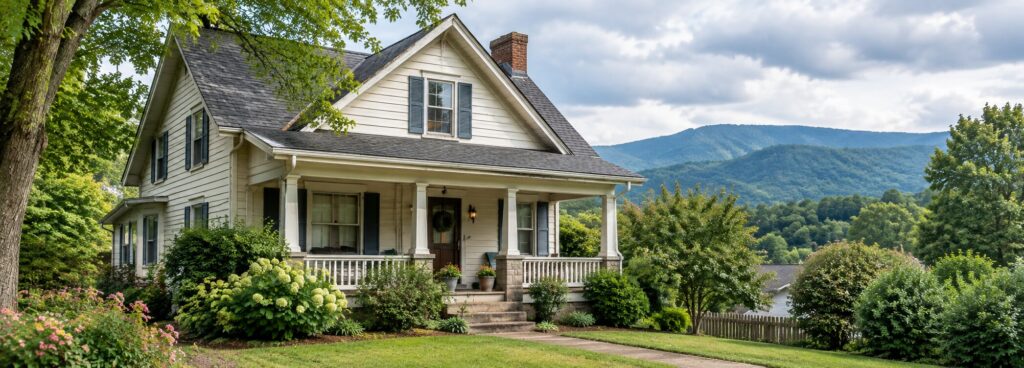
Older homes can offer architectural character, established landscaping, distinctive layouts, and locations that appeal to buyers who want something beyond a newer subdivision. However, when buying an older home in Northeast Tennessee, it is important to look beyond the charm. Aging systems, previous renovations, moisture problems, and deferred maintenance can create expenses that are not obvious during a showing.
Whether you are considering a home in Johnson City, Kingsport, Bristol, Jonesborough, or a nearby community, the key is to understand the property’s condition before committing. You do not necessarily need to avoid an older house. You need to know which issues deserve further investigation, which repairs fit your budget, and which warning signs could change your decision.
This guide explains what to check first, which professionals may help, and how to evaluate an older home’s potential costs before moving forward.
1. Start With the Roof, Foundation, and Signs of Water
When evaluating an older house, begin with components that protect the structure from weather and support the building. Problems involving the roof, foundation, or water management can affect multiple parts of a property and may become expensive if left unresolved.
Roof and drainage
Ask about the roof’s age, repair history, and any known leaks. From the ground, look for visible signs such as missing shingles, damaged flashing, sagging areas, or gutters that appear loose or clogged. These observations cannot establish the roof’s full condition, so ask a qualified inspector to assess accessible areas and recommend further evaluation when needed.
Check whether downspouts direct water away from the house and whether the ground slopes toward or away from the foundation. Poor drainage can contribute to moisture problems in crawlspaces, basements, and lower levels.
Foundation and structural concerns
Look for cracks in foundation walls, noticeably sloping floors, doors that repeatedly stick, or windows that are difficult to open. These signs do not automatically mean the house has a serious structural defect. Older buildings can have uneven surfaces and long-standing settlement. However, multiple signs or visible changes over time deserve professional attention.
If an inspector identifies potentially significant structural movement, consider an evaluation by a qualified structural engineer or another appropriate specialist. Get an explanation of the likely cause, any recommended work, and the estimated cost before deciding how to proceed.
2. Check the Electrical System
An older home’s electrical system may have been updated in stages, leaving a mixture of older and newer components. Ask when the electrical service and wiring were last evaluated, whether upgrades were completed by qualified professionals, and whether permits or records are available for significant work.
During a showing, pay attention to obvious warning signs such as damaged outlets, loose switches, exposed wiring, or signs of overheating. Do not remove electrical panel covers or attempt to inspect wiring yourself. A visual walkthrough is not a substitute for a professional assessment.
A licensed home inspector can identify visible concerns and recommend further evaluation. If the system appears outdated, alterations are undocumented, or the report identifies safety issues, ask a qualified electrician to determine the scope of any needed upgrades.
Electrical work can be more involved than replacing a few outlets. Depending on the condition of the system, repairs may involve wiring, the service panel, grounding, or other components. Understand the scope before assuming the expense will be minor.
3. Investigate Plumbing and Water Pressure
Plumbing deserves close attention because leaks can damage flooring, walls, cabinetry, and structural materials. Ask about the age of the supply and drain lines, any history of leaks, and whether major plumbing work has been completed.
During a permitted showing, you may be able to run faucets, flush toilets, and look under accessible sinks for visible leaks or corrosion. Notice whether drains seem unusually slow, water pressure appears inconsistent, or there are persistent musty odors. These observations are clues rather than diagnoses.
Older homes may contain plumbing materials that differ from those commonly used in newer construction. The material alone does not tell you the entire condition or the cost of replacement. A qualified plumber can identify concerns and explain whether repairs are localized or more extensive.
If the property uses a private well or septic system rather than public utilities, arrange the appropriate additional evaluations. Confirm what services the property uses and ask about maintenance records, inspections, and any known issues.
4. Look for Moisture, Mold, and Past Water Damage
Water problems can be difficult to evaluate because the visible evidence may remain after the original source has been repaired. Discoloration on ceilings, bubbling paint, warped flooring, damaged trim, or musty smells may indicate previous or ongoing moisture.
Check bathrooms, kitchens, laundry areas, basement walls, crawlspace access points, and areas around windows. Ask the seller about known leaks, drainage problems, flooding, and past repairs. Where available, review documentation showing what caused the problem and how it was addressed.
Do not assume a fresh coat of paint means the underlying issue has been resolved. If the inspector finds signs of moisture intrusion or suspected microbial growth, ask whether a specialist should investigate further. A standard home inspection does not necessarily include mold testing or determine the full extent of concealed damage.
For properties with a basement or crawlspace, pay attention to ventilation, visible moisture, and the general condition of accessible materials. In Northeast Tennessee, local weather and site drainage can make water management an important part of property maintenance, but every house should be assessed individually.
5. Evaluate the Heating and Cooling Systems
Ask how old the heating and cooling equipment is, whether it has been serviced regularly, and whether the seller has records of repairs. During a showing, notice whether the home feels reasonably comfortable and whether there are obvious signs of unusual noise, poor airflow, or inconsistent temperatures.
A home inspection typically includes a visual evaluation and basic operation checks within the inspector’s scope. It is not necessarily a comprehensive mechanical assessment. If the equipment is older, appears poorly maintained, or raises concerns in the inspection report, consider having a qualified HVAC professional evaluate it.
Do not base your budget only on whether the system turns on. Ask about its condition, expected maintenance needs, and any recommended repairs. If replacement may be approaching, obtain a quote so you can include that potential expense in your ownership budget.
6. Review Windows, Insulation, and Energy Efficiency
Older homes can have original windows, limited insulation, air leaks, or ventilation issues. These features do not necessarily make a property unsuitable, but they may affect comfort, maintenance, and utility costs.
Look for windows that are difficult to open or close, damaged frames, visible gaps, and signs of water intrusion. Ask whether attic insulation has been added and whether any energy-efficiency improvements were made. A home energy assessment may help identify practical upgrades if efficiency is a major concern.
Replacing every original window is not always the best first step. The right approach depends on the windows’ condition, air leakage, maintenance needs, and the cost of alternative improvements. Prioritize safety, moisture control, and significant defects before planning cosmetic upgrades.
7. Ask About Renovations, Additions, and Permits
Older houses often change hands several times and may have undergone renovations, room additions, finished basements, converted garages, or other alterations. Ask which projects were completed, when the work occurred, and whether documentation is available.
Where appropriate, check with the relevant local authority about permits and requirements for significant work. Requirements can vary by jurisdiction and project type. Do not assume an alteration was approved simply because it looks finished or has been in place for years.
Undocumented work is not automatically defective, but it may warrant further investigation. For example, an addition could raise questions about structural support, electrical work, drainage, or how the new space connects to the original building.
Make sure the property’s advertised living area and layout match what you can verify through available records and professional advice. If you are unsure about the status of an addition or converted space, resolve the question before relying on it as part of your purchase decision.
8. Consider Lead Paint and Other Age-Related Hazards
In older houses, certain materials may require special care. Homes built before 1978 may contain lead-based paint. If paint is deteriorating or renovation work will disturb painted surfaces, ask about the appropriate precautions and whether testing or a qualified professional is needed.
Depending on the property’s age and materials, buyers may also want to investigate potential asbestos-containing materials or other hazards. The presence of a material cannot always be determined reliably by sight alone. Avoid disturbing suspicious materials and seek professional guidance.
These considerations are especially important if young children will live in the home or if you plan extensive remodeling. Include potential testing, safe handling, and remediation costs in your planning when a concern is identified.
9. Check the Property Beyond the House Itself
An older home’s condition includes more than its interior systems. Review the driveway, retaining walls, decks, porches, fences, detached structures, and visible drainage features. Ask about maintenance history and whether there are known issues with trees, erosion, or water runoff.
For homes on larger lots or outside established neighborhoods, determine whether the property uses public water and sewer or private systems. Ask about access, easements, boundaries, and any shared maintenance responsibilities that may affect the property. A survey or other specialist review may be appropriate when the boundaries or access arrangements are unclear.
Also consider ongoing maintenance. Mature trees and established landscaping may add appeal, but they can require pruning, debris removal, and attention to roots or branches near the house. The goal is to understand the property’s full ownership responsibilities, not just the condition of the building.
10. Get a Professional Inspection and Follow Up on Red Flags
A professional home inspection is one of the most important steps when buying an older home. In Tennessee, home inspectors are licensed through the state program. Verify the inspector’s license and review the scope of the inspection before scheduling.
A standard inspection generally evaluates visible structural components, roofing, windows, heating and cooling systems, plumbing, and electrical systems. However, it has limitations. Inspectors may not be required to access unsafe or obstructed areas, test for every environmental hazard, or perform work that requires a separate professional license.
Attend the inspection if possible and ask which issues require immediate attention, which may need monitoring, and which warrant a specialist. Read the report carefully rather than treating every observation as equally serious.
For major concerns, obtain written estimates or specialist assessments where practical. This helps you understand the likely cost before negotiating or deciding whether to proceed.
11. Estimate Repairs Before You Commit
One of the biggest mistakes buyers make is treating an older home’s purchase price as the full cost of ownership. A lower price may be attractive, but repair and maintenance expenses can quickly reduce the financial advantage.
Start by separating urgent safety or water-related problems from items that can be addressed later. Obtain estimates for major repairs, include likely near-term replacements, and reserve money for unexpected findings. The appropriate contingency depends on the home’s condition and your financial circumstances.
Compare the total expected cost with similar homes that need less work. Include closing expenses, insurance, utilities, routine maintenance, and the cost of any renovations you want to complete soon after moving in.
Do not assume every improvement will increase resale value by the amount you spend. Renovations may improve function and enjoyment, but their effect on market value depends on buyer demand, comparable sales, workmanship, and the type of improvement.
12. Questions to Ask Before Buying an Older Home
- How old are the roof, HVAC equipment, water heater, and major plumbing or electrical components?
- Are there known problems with leaks, drainage, the foundation, or the crawlspace?
- What renovations or additions have been completed, and are records available?
- Which items identified in the inspection need immediate attention?
- Do any findings require a specialist’s evaluation or written repair estimate?
- Are public utilities available, or does the property use a well or septic system?
- Could the property’s age or condition affect insurance or mortgage approval?
- What repairs can I afford immediately, and what maintenance can be planned over time?
- Does the total purchase and repair budget compare favorably with other homes I am considering?
Should You Buy an Older Home in Northeast Tennessee?
An older home can be a good choice when its condition fits your budget, the important systems have been evaluated, and you understand the work that may be needed. Character, location, mature landscaping, and a distinctive layout can all be meaningful advantages.
However, be cautious when major defects remain unexplained, repair costs are uncertain, or the purchase would leave you without enough savings for unexpected expenses. A thorough inspection and realistic cost estimates can help you distinguish manageable maintenance from risks that may change your decision.
As you compare homes in Johnson City, Kingsport, Bristol, Jonesborough, and nearby communities, focus on the specific property’s condition rather than assuming that age alone determines its quality. Some older homes have been carefully maintained, while newer properties can also have significant defects.
Explore Homes in the Tri-Cities Area
Finding the right home involves balancing location, condition, budget, and long-term plans. Dana DeLong Wenzell can help you explore properties in the Tri-Cities area and consider questions to raise as you evaluate a potential purchase. Use qualified inspectors and specialists to assess the home’s physical condition and likely repair costs.
Explore homes for sale in Tri-Cities, Tennessee and compare properties that fit your priorities.
Frequently Asked Questions
What is the most important thing to check when buying an older home?
Start with the roof, foundation, drainage, signs of water intrusion, and major systems such as electrical, plumbing, and heating and cooling. A licensed home inspector can evaluate visible conditions and recommend specialist assessments where needed.
Are older homes more expensive to maintain?
They can be, especially if major systems are aging or maintenance has been deferred. However, costs depend on the individual home’s condition, upgrades, materials, and maintenance history rather than age alone.
Should I buy an older home with foundation cracks?
Not every crack indicates a serious structural problem. Ask a qualified inspector to evaluate the visible condition, and consider a structural engineer or other specialist if there are signs of significant movement or uncertainty about the cause and repair needs.
Is a home inspection required when buying a house in Tennessee?
Tennessee does not generally require a home inspection for every sale. However, an independent inspection is an important way to understand a property’s condition. Review your purchase agreement and inspection deadlines, and verify the inspector’s license through the state licensing program.